Introduction
What is ChatGPT and why is everyone suddenly talking about it?
If you are new to artificial intelligence, ChatGPT may sound confusing or even intimidating at first. But in reality, ChatGPT is designed to be simple, helpful, and easy to use — even for beginners with no technical knowledge.
In this article, you will learn what ChatGPT is, how it works in simple terms, what beginners can use it for, and what its limitations are. By the end, you’ll clearly understand whether ChatGPT is useful for you and how to start using it confidently.
What Is ChatGPT?
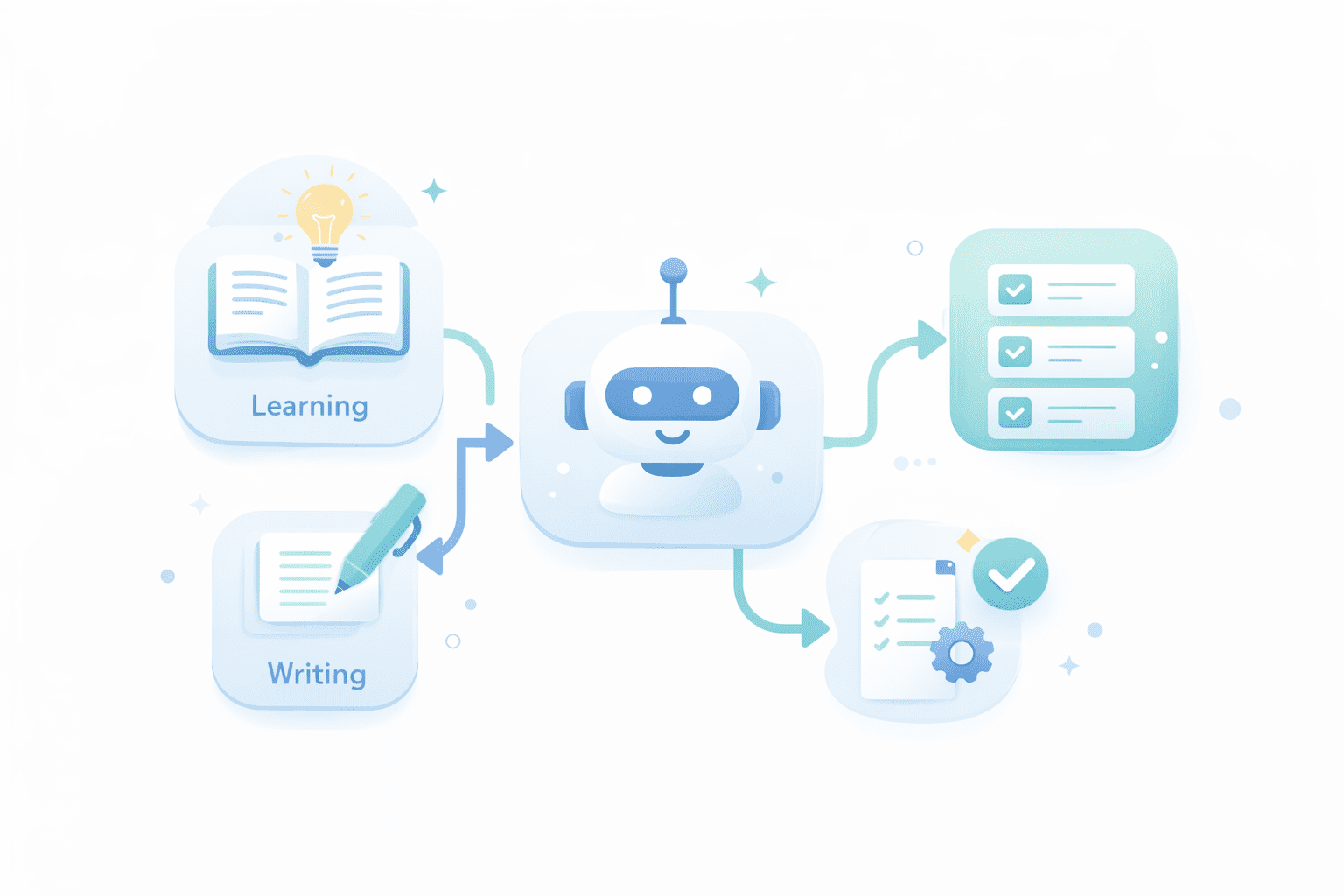
ChatGPT is an AI-powered chatbot created by OpenAI. It is designed to understand text-based questions and respond in a natural, human-like way.
In simple words:
You type a question or instruction
ChatGPT reads and understands it
It replies with a clear and helpful answer
Unlike traditional search engines that show links, ChatGPT directly explains things, which makes learning faster and easier for beginners.
How Does ChatGPT Work? (Simple Explanation)
ChatGPT works using a type of artificial intelligence called a large language model.
Here’s a beginner-friendly explanation:
ChatGPT has been trained on large amounts of text
It learns patterns in language, not personal data
When you ask something, it predicts the most relevant response
It replies in clear, conversational language
Important to understand:
ChatGPT does not think or feel like a human. It generates responses based on probability and patterns, not real understanding.
Why ChatGPT Is Beginner-Friendly
ChatGPT is popular among beginners because:
You don’t need coding skills
You interact with it like a conversation
You get instant responses
You can ask follow-up questions
It helps you learn step by step
This makes ChatGPT an ideal first AI tool for beginners.
What Can Beginners Use ChatGPT For?
ChatGPT is useful in many everyday situations.
Learning and Education
Explaining difficult topics in simple language
Summarizing articles or lessons
Helping understand new concepts
Writing and Content Creation
Writing emails and messages
Generating blog ideas
Improving grammar and clarity
Work and Productivity
Creating task lists
Drafting professional replies
Brainstorming ideas
Everyday Assistance
Answering general questions
Giving step-by-step instructions
Helping plan routines
These examples show that ChatGPT is not just for experts, but for anyone who wants help learning or working smarter.
What ChatGPT Cannot Do (Important for Beginners)
ChatGPT has limitations that beginners must understand:
It can give incorrect or outdated information
It does not always understand context perfectly
It cannot replace human judgment
It does not browse the internet in real time (by default)
This is why ChatGPT should be used as a helper, not as the final authority.
Is ChatGPT Safe to Use?
Yes, ChatGPT is generally safe to use.
However, beginners should follow these rules:
Do not share personal or sensitive information
Do not rely on it for medical or legal decisions
Always verify critical information
Using ChatGPT responsibly ensures a safe and positive experience.
How Beginners Should Start Using ChatGPT
If you are new, follow these steps:
Start with simple questions
Be clear and specific
Provide context when needed
Read the response carefully
Improve your questions gradually
The better your question, the better ChatGPT’s answer.
Common Beginner Mistakes to Avoid
Many beginners make these mistakes:
Asking very vague questions
Expecting perfect answers instantly
Trusting every response blindly
Not refining their prompts
Learning how to ask better questions is key to using ChatGPT effectively.
Final Thoughts
If you are wondering what is ChatGPT, the answer is simple:
ChatGPT is a beginner-friendly AI assistant that helps people learn, write, and solve problems through natural conversation.
At AI Unite, we believe ChatGPT is best used as a learning partner — not a shortcut. Start small, practice regularly, and you’ll quickly understand how powerful this tool can be.
Call to Action (CTA)
Have you tried ChatGPT yet? Share your experience or questions in the comments below.